What Happened
The Battle of the Atlantic Reaches our Shores
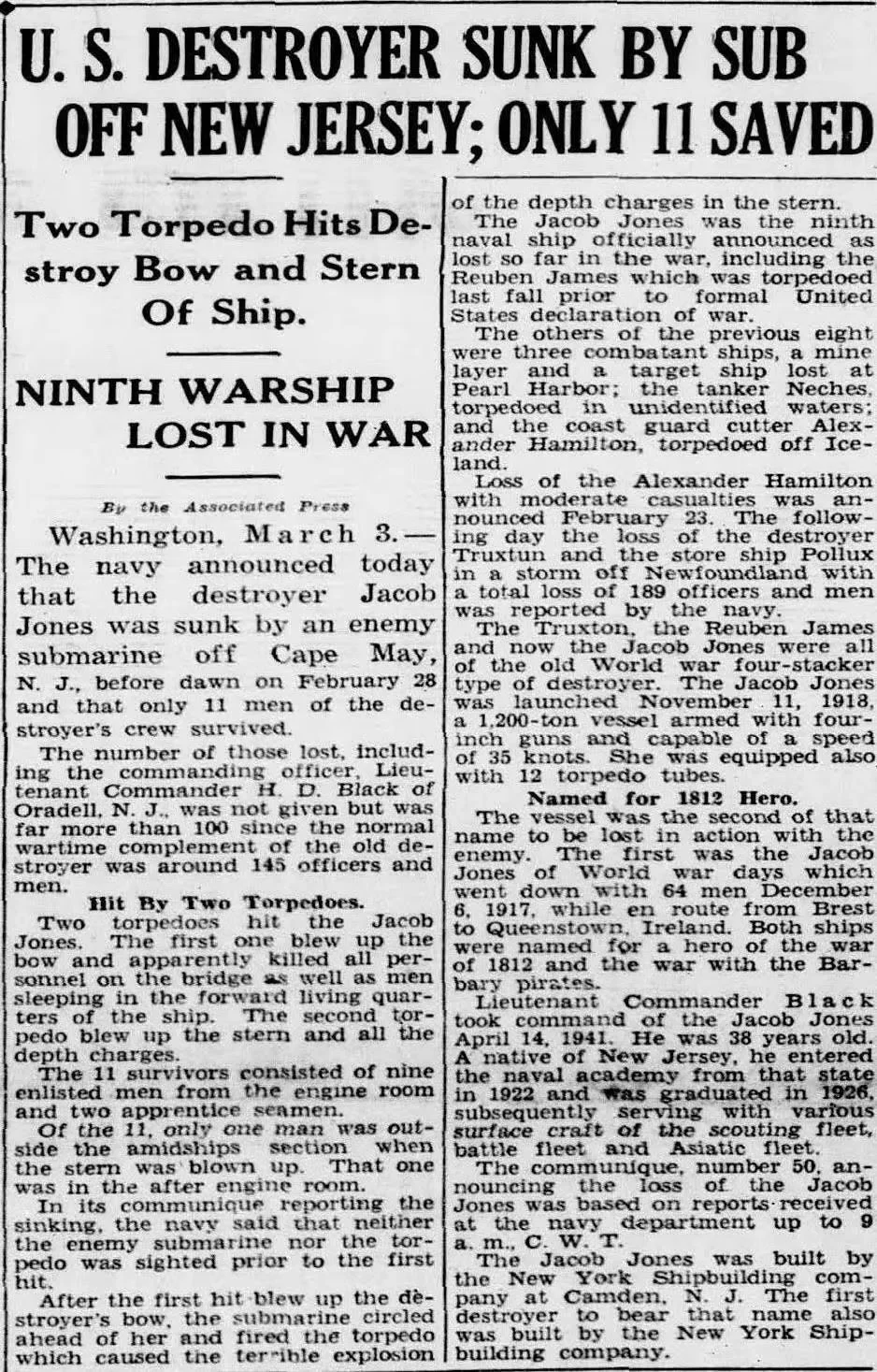
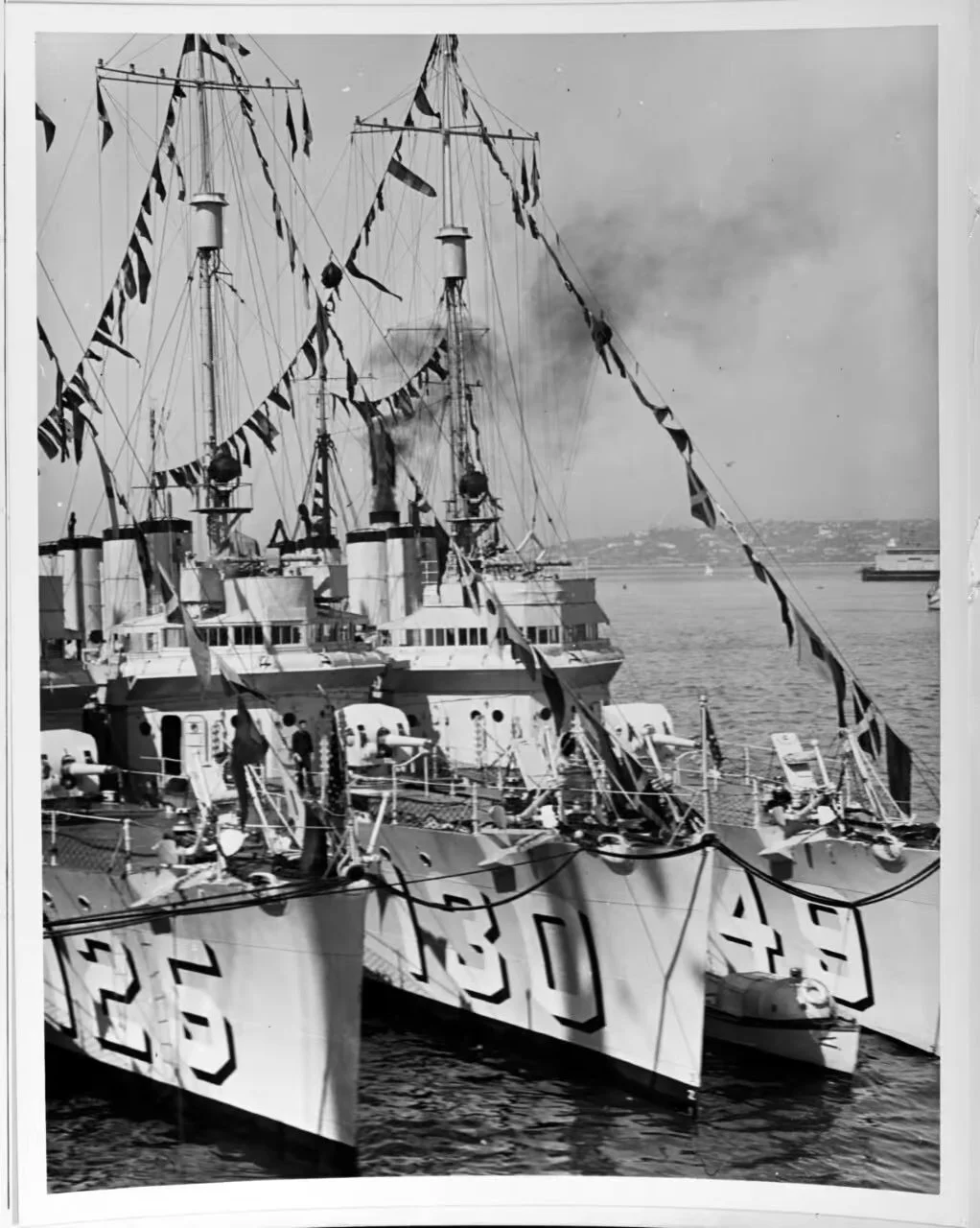
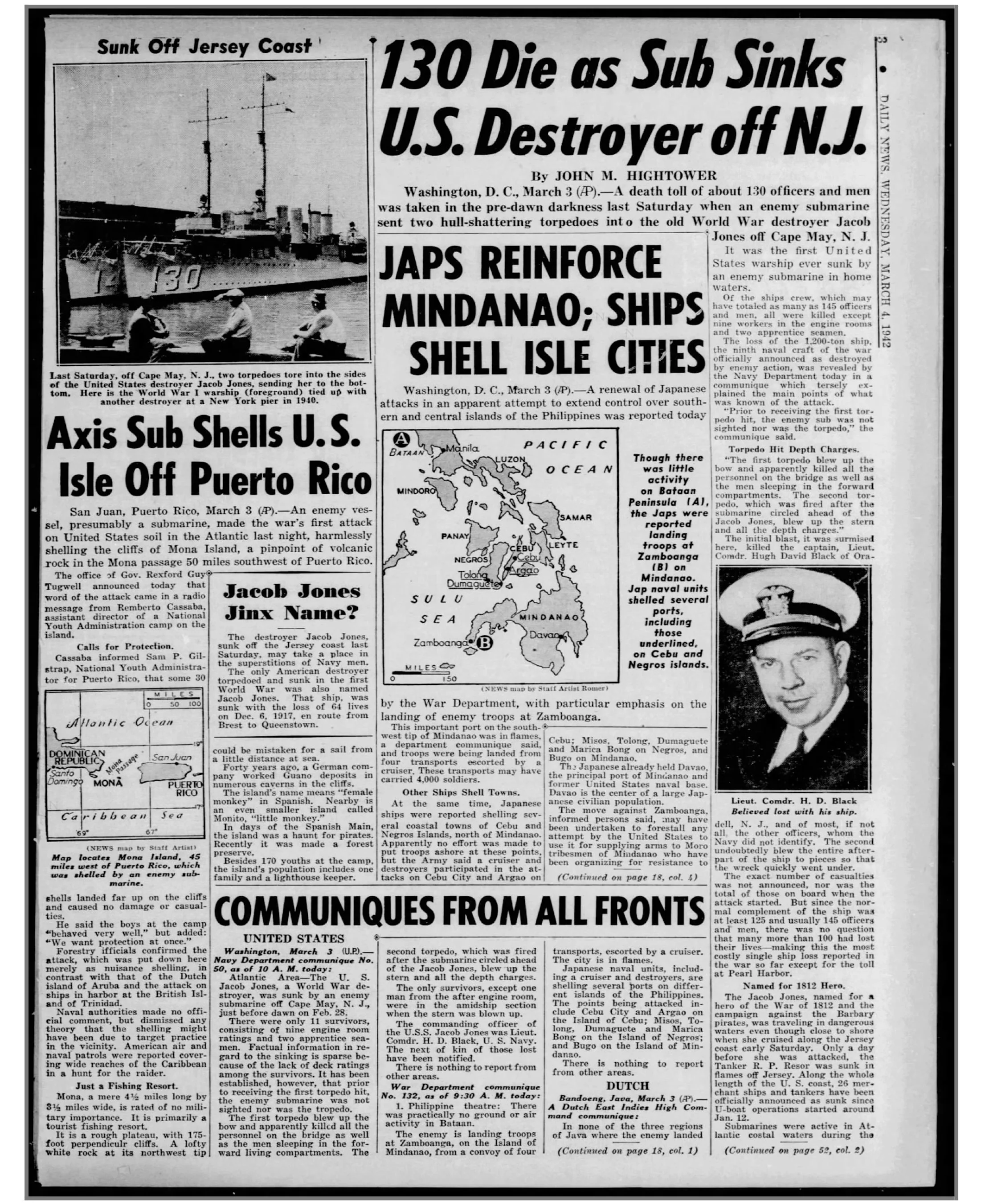
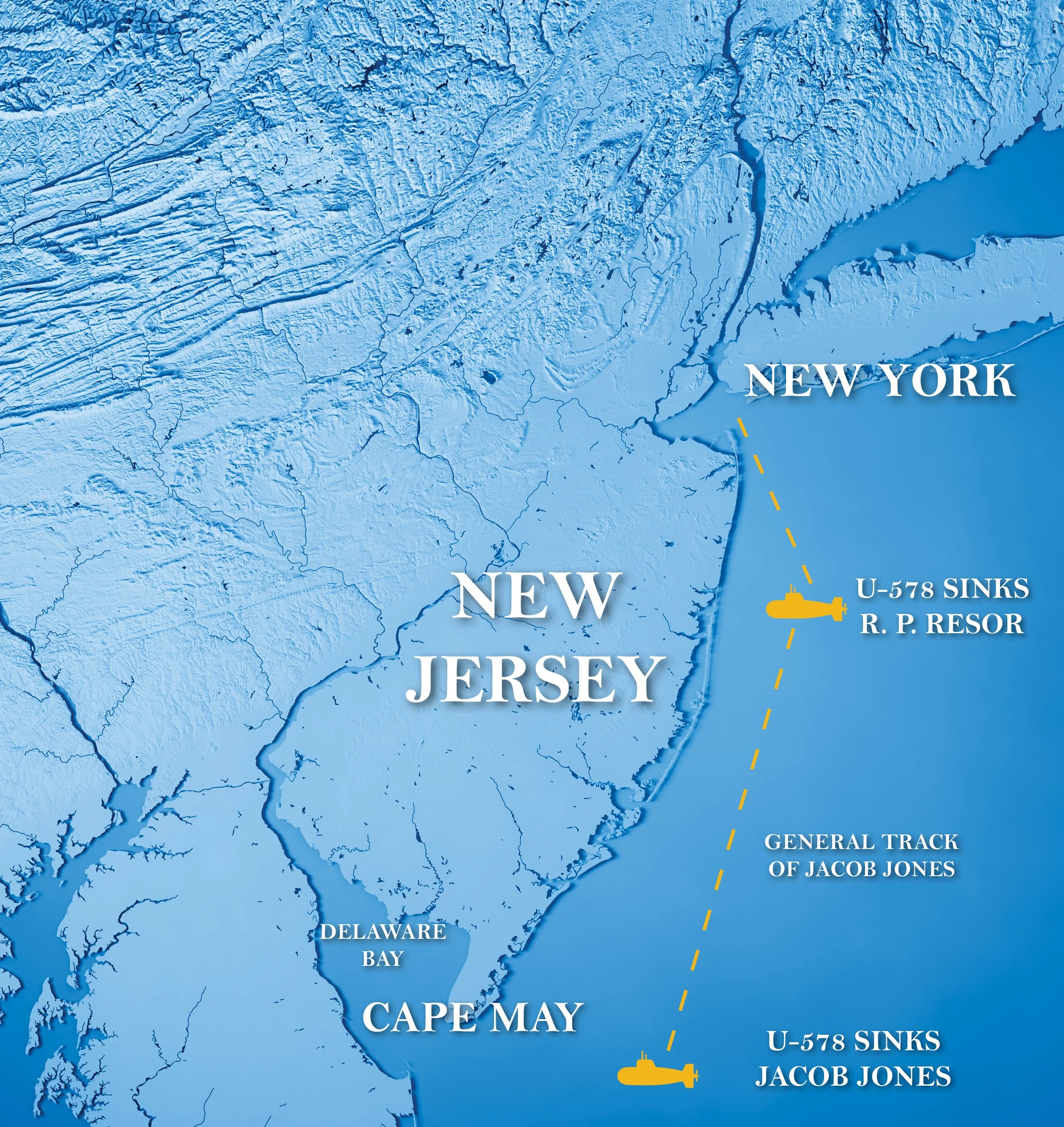
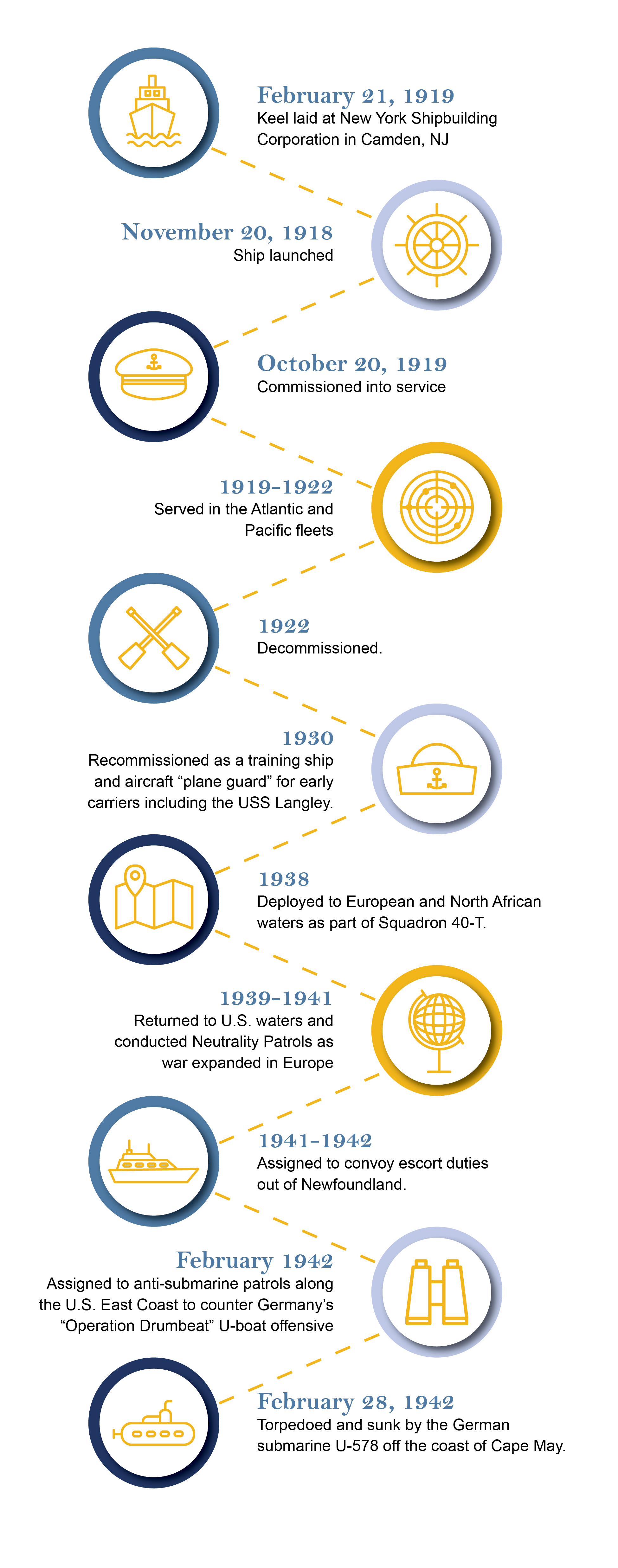
The sinking of the USS Jacob Jones (DD-130) on February 28, 1942 marked a sobering early chapter in America’s role in the Battle of the Atlantic, the longest continuous campaign of World War II.
Following Germany’s declaration of war against the United States on December 11, 1941, German U-Boats launched Operation Drumbeat, targeting Allied shipping along the US East Coast to sever vital supply lines to Britain and the Soviet Union. Until the U-Boat attack on the Jacob Jones, the first American warship sunk by the German forces after the declaration of war, U-Boats had sunk over 1100 merchant ships .
German submariners referred to this period as the “American Shooting Season.”
The sinking of the USS Jacob Jones, on patrol off Cape May, was a national tragedy. 138 officers and enlisted men were killed. Most, including three sets of brothers, were in their teens and early twenties. Their bodies were never recovered, making the sinking site a hallowed grave.
Only 11 sailors of the crew of 149 survived. They were rescued by the USS Eagle and taken to the US Naval Station in Cape May for medical attention.
Cape May quickly became a critical center for coastal defense as the Navy and Coast Guard expanded operations to counter the growing submarine threat.
“American Shooting Season.” The Tragedy of Jacob Jones.
Ships burned on the horizon.
Oil washed onto beaches.
This proposed USS Jacob Jones memorial will provide a permanent place of remembrance for every generation to reflect on what happened, honor those who perished, and recognize the cost of defending our nation.
Designed to bring together the past and the future, it will transform a relic of war into a timeless teacher of peace.
The Impacts
The USS Jacob Jones’ sinking helped galvanize public support for the war effort, encouraging enlistment, war bond purchases, and vigilance. In essence, it transformed the tragedy from an overseas struggle into a personal and national cause, reinforcing unity and determination in the face of a more proximate and formidable threat.
Military Impact
The sinking of the Jacob Jones, accentuated the vulnerability of the US East Coast to German U-Boat attacks, and resulted in the US Navy taking several actions. They accelerated the adoption of convoy systems, improved coordination with Allied forces, expanded air patrols and anti-submarine warfare training, increased coastal patrols , and enforced stricter coastal blackouts to deny U-Boats easy targets.
Security of the Homeland
In addition to coastal blackouts, several other defensive homeland security measures were taken. They included Coast Guard and civilian observation programs , civilian shipping routes reorganized, and major defensive construction projects , including the Cape May Canal in the fall of 1942, a major defensive result of the sinking of the Jacob Jones.
Human Impact
The sinking of the Jacob Jones was an opportune event for the Nazi propaganda machine , and was widely celebrated as added validation of the lethality of their U-Boat campaign.
In the United States, the tragedy helped erode the lingering belief, especially along the East Coast, that the war was distant and that the Atlantic Ocean provided a natural shield. Although initial public reactions were muted due to wartime censorship, once broadly publicized, fear and anxiety grew, yet so did resolve.
USS Jacob Jones:
Place in History
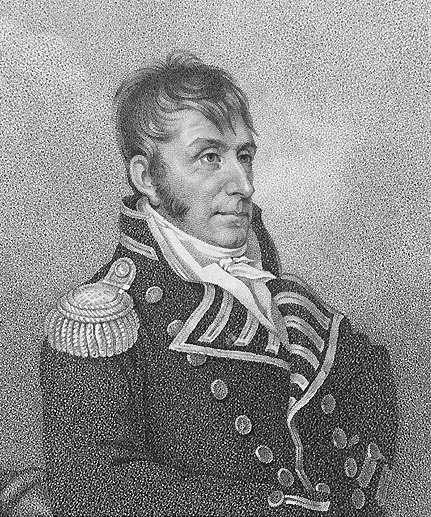
Who was Jacob Jones?
Jacob Jones (1768-1850) was an early American naval hero and officer in the United States Navy. Commodore Jacob Jones was raised in Lewes, Delaware ,a less than 30 miles from Cape May, NJ and the coastline where the USS Jacob Jones was sunk 92 years after his death. He is best known for his service during the War of 1812. As commander of the USS Wasp, he achieved a celebrated victory over the British warship, the HMS Frolic, in 1812, earning a Congressional gold medal for gallantry. He later rose to the rank of Commodore and served with distinction in various naval commands.
In his honor, the US Navy has named three destroyers after him: the USS Jacob Jones (DD-61), by uncanny coincidence the first American warship sunk by a German U-Boat during World War I; the USS Jacob Jones (DD-130), the first American warship sunk by a German U-Boat after Germany declared war on the United States during WWII; and the USS Jacob Jones (DE 130). Each carried forward Jacob Jones’ legacy of service and courage.